

Vitamins against anxiety can help you stay calm and focused during intense training and stressful days. Nearly 40 million adults in the United States experience anxiety each year, and athletes often feel this pressure even more when physical performance combines with everyday stress. While traditional treatments are important, the nutrients you consume play a surprisingly powerful role in how your brain and body handle stress. We see this constantly with the athletes we work with. Once their micronutrients are well balanced, their ability to remain steady under pressure changes drastically. Many athletes also combine these nutrients with a non-stimulating pre-workout to support smooth, sharp focus without caffeine spikes.
Various vitamins prove particularly effective in reducing anxiety. B vitamins, especially B6, B9, and B12, help produce neurotransmitters such as serotonin and GABA, which keep your mood balanced and stabilize your nervous system. Vitamin D, magnesium, and omega-3 fatty acids are also strongly linked to lower anxiety levels. When these nutrients are lacking, your stress response becomes less resilient. By addressing these shortages through diet or supplements, you can restore mental clarity and emotional stability.
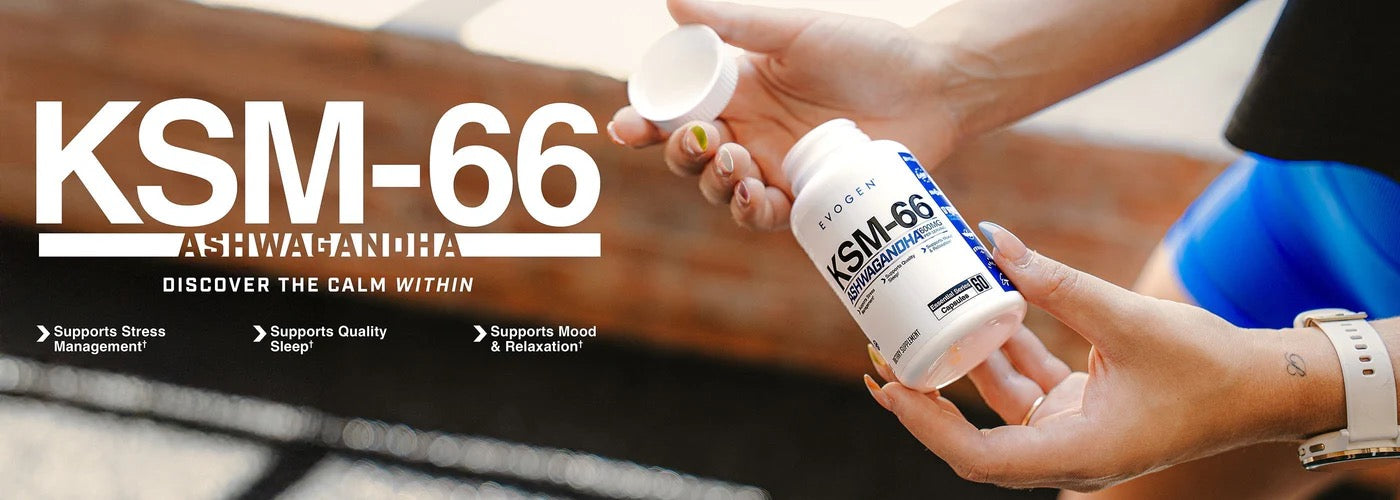
Ashwagandha is another well-supported option for stress management, especially during heavy training cycles. Standardized forms like KSM-66® help regulate cortisol and support a calmer baseline. Many athletes use it together with basic vitamins for better mood balance and recovery.
How do vitamins help reduce anxiety?
Your stress response depends on neurotransmitters and nutrients working together. When even one part is lacking, you notice it in your mood, sleep, and performance. Most athletes only realize how much their micronutrient status affects their mental well-being when improvement occurs — and irritability, nervousness, or sleep problems suddenly become much less overwhelming.
The role of neurotransmitters in anxiety
GABA is the calming force in your brain and is responsible for slowing racing thoughts and helping you relax. Serotonin helps stabilize mood and supports sleep. Vitamin B6 assists in converting amino acids into GABA. When B6 levels drop, this calming signal weakens. This is one reason why athletes under high stress often feel restless or overstimulated.
Nutrient deficiencies and anxiety symptoms
Low B12 levels can cause symptoms so similar to anxiety that people often think something serious is physically wrong. Magnesium deficiency is also common among athletes and is strongly linked to anxiety and disturbed sleep. When these shortages are replenished, athletes often notice improvements such as:
- Better sleep quality
- More emotional balance
- Fewer feelings of nervousness
- A calmer stress response during training
Many athletes do not realize that shortages of B12, magnesium, or vitamin D can contribute to both anxiety and depression, especially during long training periods. Some symptoms overlap so strongly that it is difficult to determine the cause without testing. Addressing these shortages early is one of the most practical steps to manage anxiety before it affects performance.
Vitamins and minerals related to anxiety
Athletes use up vitamins and minerals quickly. Through sweating, heavy training loads, and a high metabolism, micronutrients become depleted faster than most people realize. When levels become too low, anxiety and a gloomy mood can arise, even if training goes well. Magnesium, B6, B12, and vitamin D3 support neurotransmitter function, cortisol balance, and overall mental well-being.
These vitamins and minerals play an increasingly important role in supporting people with anxiety, especially athletes who prefer targeted, nutrition-based strategies. Although supplements are no substitute for medical treatment, optimizing micronutrients offers clear support during heavy training periods. Many athletes notice that once their nutritional status is stable, their clarity, consistency, and emotional balance return.
How low vitamin levels affect the nervous system
Your nervous system depends on a steady supply of nutrients to function well. With shortages, you may notice the following:
- Reduced serotonin activity
- Reduced GABA signals
- Poor sleep quality
- Increased anxiety
- More irritability or tension
Especially vitamin D3 plays a major role in the immune system and brain health. Low levels are consistently linked to anxiety disorders.
Why athletes need a higher intake
Athletes lose micronutrients through:
- Sweating
- Long training sessions
- High stress
- Increased metabolic demand
We constantly remind athletes that restoring nutrient shortages is just as important as repairing muscle tissue. This reflects the philosophy of Hany, our founder and CEO: build a strong foundation, stay consistent, and let results accumulate over time. When your body gets what it needs, stress response, recovery, and performance all move in the right direction.
Essential B vitamins for anxiety and panic attacks
B vitamins help keep your nervous system stable and your brain functioning efficiently. Because they are water-soluble, your body uses them quickly and regular replenishment is needed.
Vitamin B6 (pyridoxine) and GABA production
Vitamin B6 helps produce the calming neurotransmitter GABA. Without enough B6, your brain struggles to maintain balance, which can lead to overstimulation, restlessness, or anxiety.
Vitamin B12 for nervous system support
Vitamin B12 helps maintain the myelin sheath that protects your nerve cells. Low B12 levels can cause symptoms resembling anxiety or panic attacks. After correcting the deficiency, people often see:
- Better focus
- Improved mood
- More stable energy
- Fewer anxiety symptoms
Other B vitamins that may help
Folic acid (B9) works together with B12 in producing serotonin and dopamine. Thiamine (B1) supports energy, nerve function, and stress resistance. A complete B-complex ensures these vitamins work optimally together.
Several randomized controlled studies show that B vitamins influence neurotransmitter activity and stress tolerance. One study showed that B-complex supplementation improved mood stability in people under chronic stress. Although more research is needed, current evidence suggests that a good B vitamin status plays a meaningful role in reducing anxiety and improving cognitive performance.