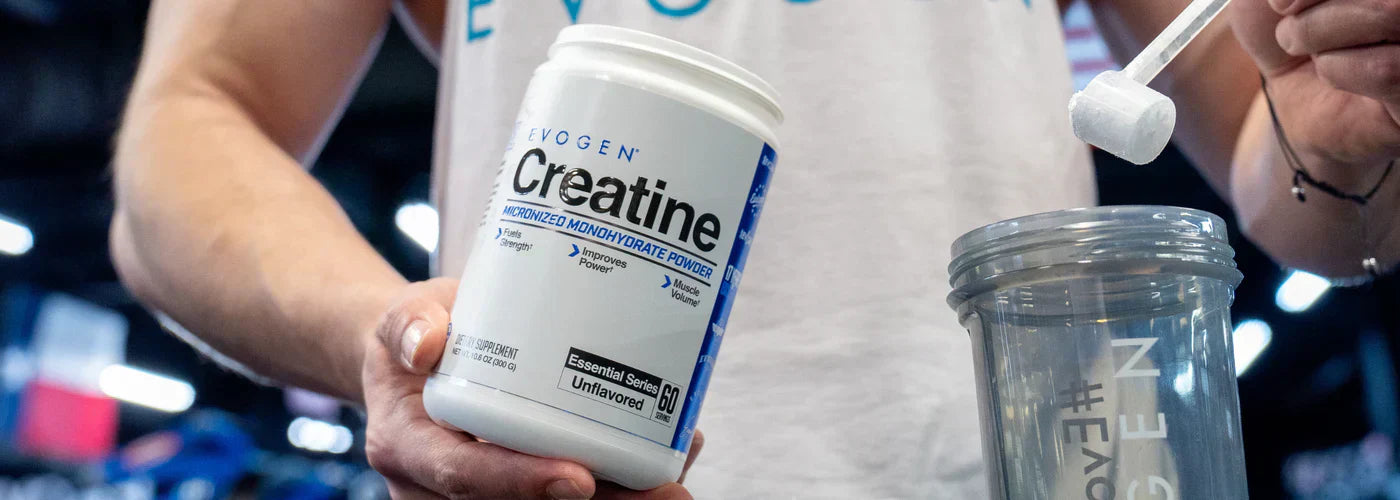




One of the most frequently asked physiological questions in the world of sports nutrition is when you should take creatine for the best results. Should you take creatine supplements pre-workout for acute energy, or post-workout for maximum recovery?
The physiological reality is that both methods can be effective. Research on the timing of creatine supplementation shows slight advantages in specific windows, but the absolute key to success is keeping your muscle creatine levels constantly saturated through daily, consistent use. At Nutrition Monsters, we know that systems and discipline deliver real results. Whether your goal is maximum hypertrophy (muscle growth), faster physiological recovery, or increased strength gains during heavy resistance training; creatine is one of the most effective supplements in the sports world and has been clinically proven safe for decades.
How creatine nourishes your muscles at the cellular level
Your body naturally produces small amounts of creatine in the liver, kidneys, and pancreas from the amino acids arginine, glycine, and methionine. However, this endogenous production is physiologically insufficient to maximize extreme training performance. About 95 percent of your creatine stores are stored in skeletal muscles, where it directly supports rapid contractions during intense effort.
When you stand under the bar for a heavy set or launch an explosive sprint, ATP (Adenosine Triphosphate) is your primary biological energy currency. However, ATP burns out within seconds during intense contractions, losing a phosphate group and turning into inactive ADP (Adenosine Diphosphate). At that moment, stored creatine phosphate rapidly donates its phosphate molecule to immediately recharge ADP back into usable ATP. This process supports the maintenance of lean muscle mass and directly enhances your physical performance.
Supplementing with pure creatine monohydrate increases your muscle creatine levels by 10 to 40 percent. This boosts the total energy capacity of your muscles during every training session. More intracellular fuel means more repetitions, a greater training volume, and a stronger stimulus for skeletal muscle hypertrophy.
The science behind creatine and ATP
This biochemical process is called the phosphocreatine system. By rapidly recycling ATP, creatine helps you maintain your maximum explosive power when intensity is at its peak. Think of it as your body's backup battery during heavy resistance exercises.
Over time, this extra work capacity leads to measurable muscle gains, improved body composition, and enhanced athletic performance. The International Society of Sports Nutrition (ISSN) classifies creatine monohydrate as one of the most effective and safe supplements for both physically active young adults and healthy older adults aiming to counteract muscle loss (sarcopenia). Consistently replenished creatine levels help athletes tolerate higher training volumes and recover physiologically faster between training cycles.
Key benefits of creatine:
- Strength increase: Gains of 5 to 15 percent in heavy compound exercises such as squats and bench press.
- Muscle cell volumization: An increase of 1 to 2 kilos of lean tissue in the first week due to water being drawn intracellularly into the muscle cell.
- Faster recovery: Shorter recovery time between consecutive heavy sets and faster physiological recovery for your next training session.
- High performance: Supports bursts of maximal intensity in both resistance and short endurance exercises.
The timing of creatine around your training
The Pre-Workout Window
Taking your creatine monohydrate about 30 to 60 minutes before training ensures your muscle cells have an active, elevated amount of creatine phosphate during high-intensity interval training or explosive lifting.
Pro Creator Tip: Combine your pre-workout creatine with the elite formulas from Evogen Nutrition. Stack it with Evogen EVP Xtreme/3D for extreme nitric oxide production, laser focus, and raw training energy.
The Post-Workout Window
Some athletes prefer to consume creatine immediately after training. After intense resistance training, your muscle cells are physiologically similar to dry sponges: due to increased blood flow (hyperemia) and enhanced insulin sensitivity, they absorb nutrients extremely quickly. Mix your creatine right after your workout with fast carbohydrates and proteins to maximize absorption through an insulin spike and stimulate protein synthesis.
Why consistency is more important than timing
Although timing of intake can offer slight benefits, the most important variable is daily consistency. Creatine does not work as an acute stimulant like caffeine; it works by building up and maintaining total muscle creatine levels over a longer period. Whether you take it pre-workout, post-workout, or right with your first meal: make sure you consistently get your daily dose.
Creatine on Rest Days: Avoid the Rest Day Myth
Creatine is absolutely not just for training days. Even on rest days, fully saturated creatine levels support your muscle growth, cellular recovery, and muscle protection.
Skipping your creatine on rest days interrupts the muscle cell saturation process. Because creatine pulls water deep into the muscle cell (intracellular hydration), it continuously supports the anabolic cellular environment and skeletal muscle hypertrophy. Consistency over perfection is the rule here.
How to dose creatine effectively?
1. The Loading Phase
Consume 20 to 25 grams of creatine monohydrate daily for 5 to 7 days, divided into 4 to 5 equal doses of 5 grams. This method accelerates muscle saturation and ensures you benefit from maximum strength gains within a week.
2. The Maintenance Phase
After the loading phase — or if you choose to skip the loading phase and start directly with a gradual buildup — take 3 to 5 grams of creatine daily. This is physiologically sufficient to keep creatine levels stably saturated at 100 percent in the long term.
Advanced Evogen Stacking Strategies
To maximize the physiological effects of creatine, coach Hany Rambod advises integrating creatine into a comprehensive elite sports system:
- Pre-workout Pump Stack: Combine your creatine beforehand with liquid Evogen EVP AQ. This liquid glycerol supplement draws extra fluid into the bloodstream, physiologically multiplying the transport efficiency and hydration of creatine in the muscle cells.
- Intra-workout Muscle Protection: Drink Evogen Amino K.E.M. during your sets to continuously supply your muscles with all 9 essential amino acids and electrolytes to prevent cramps.
- Post-workout Recovery Stack: Mix your creatine immediately after training with Evogen IsoJect (whey isolate) and fast carbohydrates. The proteins and carbohydrates stimulate the release of insulin, which acts as the biological key to open muscle cell walls for rapid absorption of creatine.
- For Endurance Athletes: Combine your creatine with Evogen Carnigen (L-Carnitine matrix) to simultaneously support fat metabolism, your endurance, and joint protection at the cellular level.
Hydration is mandatory
Because creatine pulls water deep into your muscle cells, your physiological need for fluids rises immediately. Drinking at least 3 to 4 liters of water per day is an absolute requirement to prevent dehydration and fatigue. Also ensure sufficient electrolytes (such as sodium and potassium from Amino K.E.M.) to keep intracellular fluid balance and muscle contractions stable.
Always choose high-quality, multi-tested creatine monohydrate and avoid unnecessary and expensive gimmicks like liquid creatine or buffered creatine; these never perform physiologically better than the gold standard of pure monohydrate in clinical research. With the right intake, stable hydration, and top sports support from Evogen Nutrition, you make your progress in 2026 completely predictable!
Related reading
- Creatine: The most researched supplement for muscle growth
- The process of muscle growth: How does it work and how do you optimize it?
- The blueprint for muscle building and strength gain: Your physiological guide
Discover our collections Are you ready to scientifically push your physical limits and train like a champion?
Discover the targeted collections at nutritionmonsters.com: