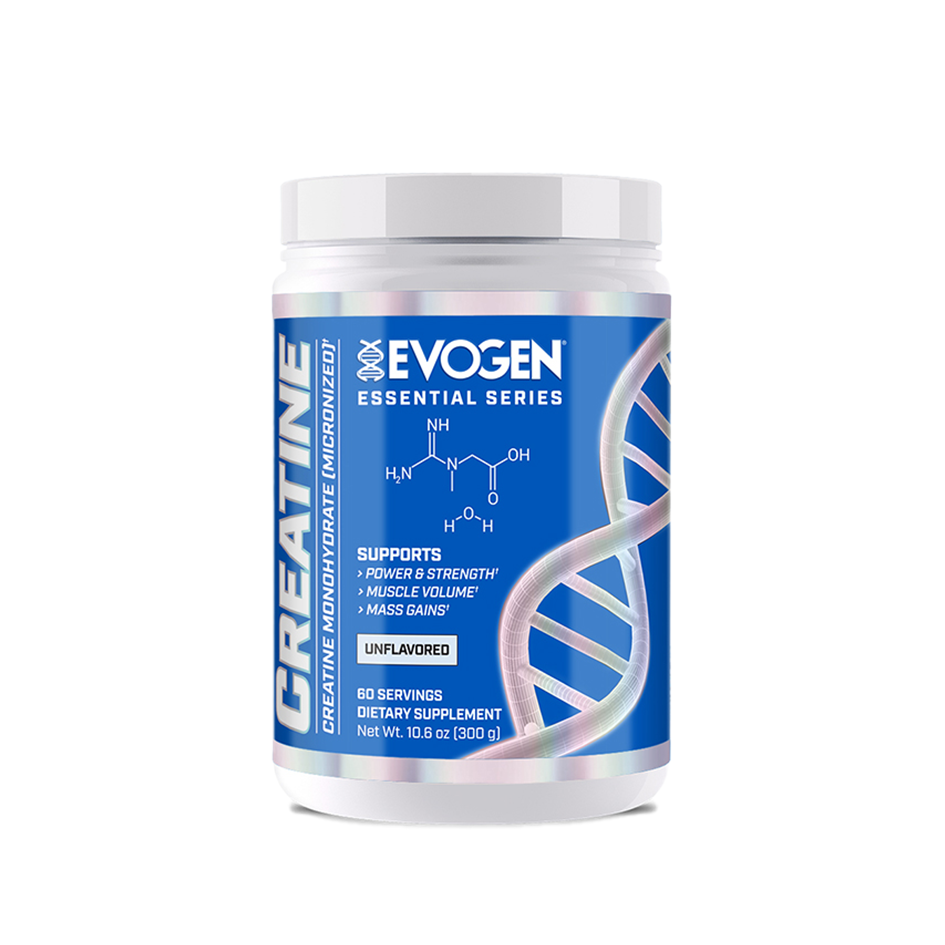



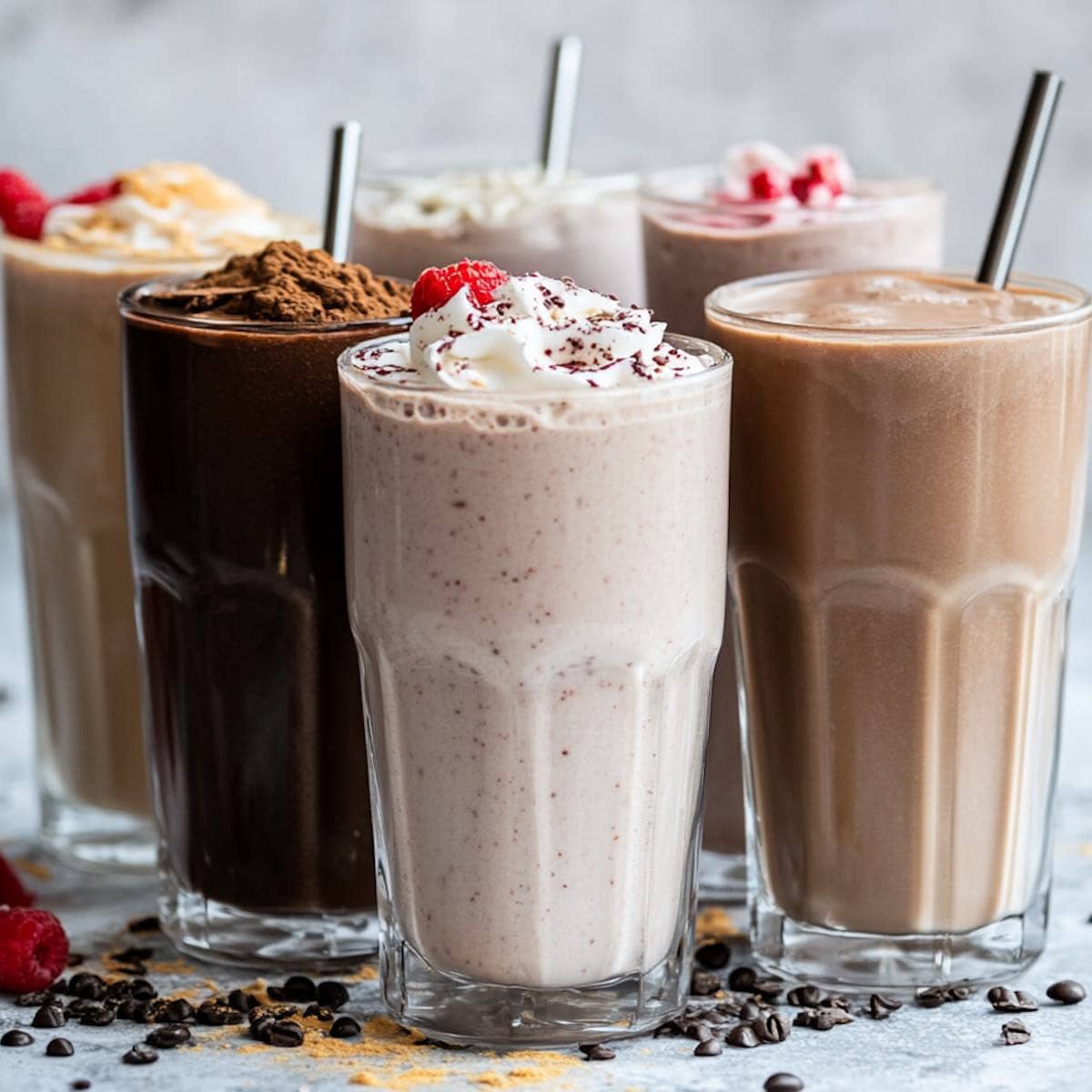
Protein shakes are globally among the absolute cornerstones within the supplement regimen of strength athletes, bodybuilders, and fitness enthusiasts. They are massively consumed to maximize muscle protein synthesis and accelerate the recovery process. But how effective are these liquid macromolecules really when we look at cell biology, and how do you strategically use them to push your physiological limits? In this scientific guide, we dive deep into the biochemical mechanisms, benefits, and real usefulness of protein shakes for muscle growth and tissue repair.
What is a Protein Shake?
A protein shake is a highly concentrated macro supplement designed to efficiently increase daily protein intake. The proteins in these supplements come from various biological sources:
- Whey Protein: A byproduct of cheese production. It is known for its superior biological availability and extremely fast absorption rate in the intestinal wall.
- Casein Protein: The slow milk protein. It forms a physiological 'gel' in the stomach, releasing amino acids very gradually into the bloodstream over several hours.
- Plant-based Proteins: High-quality alternative sources derived from peas, rice, hemp, or soy, ideal for athletes with a vegan diet or lactose intolerance.
All these variants share the primary goal of providing the body with the necessary building blocks to maintain a positive nitrogen balance, which is the fundamental condition for anabolism and muscle growth.
The 4 Major Physiological Benefits of Protein Shakes
- Rapid Absorption and High Biological Availability: Whey protein is physiologically unique because it requires almost no digestive effort. It passes through the stomach quickly and breaks down directly in the small intestine into free amino acids and peptides, instantly activating anabolic signaling in the muscle cells.
- Maximum Initiation of Muscle Protein Synthesis: During intense training, microscopic tears occur in the sarcomeres (muscle fibers). A post-workout protein shake provides a massive influx of essential amino acids (EAAs) — especially the anabolic key amino acid leucine — to trigger the mTOR signaling pathway. This process immediately starts the repair and growth of larger and stronger muscle tissue.
- Effective Prevention of Catabolism (Muscle Preservation): When you train with high volume or are in a calorie deficit (the cut), muscle breakdown is a risk. Strategically consuming protein shakes ensures that sufficient amino acids constantly circulate in the bloodstream, allowing your body to fully spare muscle mass and force fat burning.
- Impeccable Comfort and Nutrient Timing: Consuming a solid meal with chicken or fish immediately after a heavy leg day is often physiologically suboptimal because blood flow is still maximized in the trained muscles rather than in your digestive system. A shake offers a liquid, easily digestible alternative that feeds your cells directly without causing stomach issues or bloating.
How Much Protein Does an Athlete Need?
Within sports science, the consensus on daily protein needs for hypertrophy is very clear. While the general population meets lower standards, elite sports norms dictate a daily intake of 1.6 to 2.2 grams of protein per kilogram of body weight.
When you follow an aggressive training schedule, the need for amino acids rises to restore physiological homeostasis. If achieving this goal through regular solid food (like steak, chicken, eggs, and fish) becomes a logistical or digestive challenge, a protein shake offers the perfect biological solution to consistently fill the nutritional gap.
The Anatomy of Types and Strategic Timing
To maximize your results, you need to match the different protein fractions with your biological clock:
- Immediately Post-Workout (The Anabolic Window): Within 30 to 60 minutes after your very last set, your muscle cells are screaming for nutrients. This is the ideal moment for an ultra-fast absorbing whey protein to instantly make the nitrogen balance positive and minimize muscle soreness.
- Before Going to Sleep (Nighttime Recovery): During the night, your body is in a prolonged fasted state. Choosing a slow casein shake before bedtime ensures a constant, drip-release of amino acids. This protects your muscle mass deep into the night against catabolism.
- Between Large Meals: On busy days or during an intense work schedule, a high-quality shake functions as a physiological bridge to trigger muscle protein synthesis every 3 to 4 hours.
The Evogen Elite Strategy for Unbeatable Hypertrophy
The 24-time Olympia-winning coach Hany Rambod never leaves the recovery and protein absorption of his champions to chance. To guarantee that every gram of protein actually passes the cell wall and is not lost in the digestive tract, he uses the high-end formulas from Evogen Nutrition to create an unbeatable synergy:
- The Ultimate Post-Workout Protein: Feed your open muscle cells immediately after training with Evogen IsoJect. This ultra-pure, cold-filtered whey isolate contains zero sugars and fats. What makes IsoJect physiologically superior is the patented IGNITOR™ enzyme technology. These specific enzymes rapidly break down protein chains into directly absorbable peptides, ensuring virtually loss-free absorption and immediate anabolic recovery without digestive discomfort.
- Intra-Workout Amino Acid Saturation: While you train, you want to stop muscle breakdown at the source. Drink Evogen Amino K.E.M. during your sets. This elite formula saturates your cells with all 9 essential amino acids (EAAs) via a clinical 2:1:1 BCAA matrix. Enhanced with patented S7® (+230% nitric oxide) and an electrolyte hydration complex, it opens blood vessels wide (vasodilation), pushing nutrients under high pressure to the muscle cells.
- Post-Workout Hormonal Reset: Combine your IsoJect after training with Evogen Cell K.E.M. PR. This advanced recovery product delivers a 4:1:1 BCAA matrix for a maximum leucine trigger, enhanced with NO3-T® Creatine Nitrate for hours of three-dimensional 3D volumization and Sensoril® to directly reduce the catabolic stress hormone cortisol.
Related reading
- BCAAs under the microscope: The physiology of muscle protection and anabolism
- Amino K.E.M. vs. Cell K.E.M. PR: The physiological guide to timing and performance
- L-Citrulline: The physiological key to maximum nitric oxide production
Discover our collections
Ready to take your protein absorption and tissue repair to the absolute world-class level? Discover our targeted elite collections at nutritionmonsters.com and optimize your biological blueprint: