


You watch a training video of an Olympia athlete, get a boost, and decide that everything will be different starting tomorrow. For the first few days, you go all out. After a week, the alarm goes off early, you have sore muscles, and it is raining. At that point, motivation lets you down and discipline has to take over.
Coach Hany Rambod, the man behind the FST-7 system, puts it this way to his athletes: "Champions do not train only when they feel like it. They train because it is on the schedule." In this guide, you will learn how to start, how to keep going, and how to fit training into a busy life.
Motivation or discipline: what is the difference?
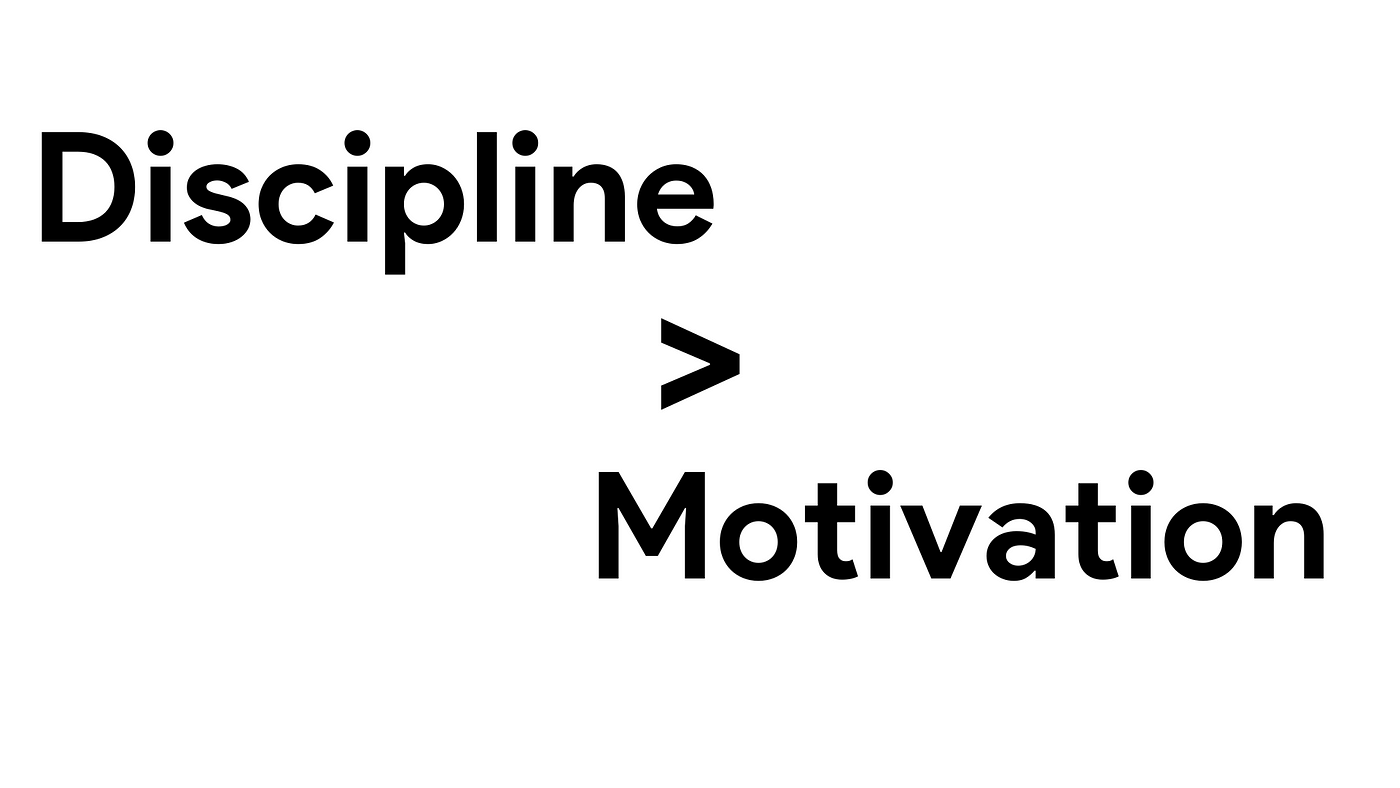
Motivation is an emotion. It depends on your mood, the weather, and your energy, and it comes and goes. Discipline is a decision: doing what you agreed to do, even when you do not feel like it. Those who train only when motivated train inconsistently. Those who train with discipline build a habit that requires hardly any willpower after a few weeks.
Why you should start today
Putting it off feels logical: Monday, after the holidays, when things are quieter at work. That perfect moment never comes. Every week you wait is a week without a training stimulus and without building a habit.
Starting does not have to be a big step. Two or three workouts per week with a few basic exercises are enough to build strength and establish a rhythm. Small steps you stick with deliver more than a perfect plan you abandon after two weeks.
How to start: three steps
- Set a measurable goal. "Getting fitter" is too vague. "Training three times per week" or "squatting 60 kilos in twelve weeks" can be tracked.
- Schedule your workouts as fixed appointments. Put them in your calendar, just like a work appointment. What is scheduled is more likely to happen.
- Take recovery and nutrition seriously. You get stronger through the combination of training, sleep, and enough protein. Skip the last two, and progress will stall and your motivation will disappear on its own.
Also leave your ego outside the gym. Start with weights you can move with good technique. Injuries are the fastest way to lose your rhythm.
Eight ways to keep going
- Follow a program. Those who walk into the gym without a plan do whatever feels easiest at that moment. A program removes that choice.
- Keep a training log. Write down your weights and repetitions. Seeing in black and white that you are progressing works better than any pep talk.
- Train with someone. You are less likely to cancel an appointment with a training partner than an appointment with yourself.
- Use music. A regular playlist helps you get into training mode.
- Vary your routine from time to time. Change exercises or repetition ranges after a few weeks so things stay fresh.
- Reward milestones. A new record or three months without missing a week is worth celebrating.
- Schedule rest. Rest days are part of the program. Without recovery, your energy runs out, and so does your motivation.
- Make your progress visible. Photos and measurements show changes you miss when looking in the mirror from day to day.
Being busy is not an excuse
You do not need an hour and a half every day. A focused 40-minute workout with compound exercises, such as squats, bench presses, and rows, delivers more than two hours of hanging around. Quality beats quantity.
Is your week packed? Train for less time instead of not training at all. A half workout keeps the habit going, and that habit is worth more in the long term than that one perfect session.
What the gym gives you besides muscle
Strength training does more than change your body. Many athletes notice that they feel calmer and sleep better after a workout. You gain confidence by seeing that you can do something you could not do a month earlier. And you learn to show up for yourself, even on days when things are difficult. You take that skill with you to work and the rest of your life.
Supplements as support
Supplements do not replace discipline, but they can make your routine easier:
- Evogen EVP Xtreme N.O.: a pre-workout with caffeine for workouts after a long day at work.
- Evogen Amino K.E.M.: a drink with all nine essential amino acids and electrolytes for during your workout.
- Evogen IsoJect: a whey isolate that makes it easy to get enough protein. Protein contributes to the growth and maintenance of muscle mass.
Related reading
- Week 2 in the gym: when it gets harder, but becomes even more important
- The key to consistent progress in the gym
- How do you create the best gym program for your goals?
- The importance of nutrition for building muscle: what should you eat?